Furniture Assembly Downtown Toronto: What to Send for an Accurate Condo Quote
Only have 30 seconds?
- Start at the Downtown Handyman homepage for local service information.
- Send the exact model and quantity, a photo of the carton labels, and the delivery status.
- Confirm assembly, placement, any required anchoring, and packaging removal as separate parts of the quote.
- Share the condo’s visitor instructions and keep a clear area for unpacking and assembly.
Identify each item before asking for a price
Use the retailer’s product name, model or article number, and the number of each item you want assembled. A listing that says “six-drawer dresser” helps explain what the piece is, but the exact identifier lets the assembler find the corresponding instructions. Different versions of the same product can have different drawer hardware, door arrangements, or assembly requirements. A photo of the carton label or a copy of the model details from your order can resolve that question before anyone arrives.
List optional pieces separately. A desk might come with an add-on drawer, a bed might include under-bed storage, and a shelving unit may be configured with doors or inserts. A quote for the base piece can leave these out if nobody mentions them. Give one line per piece or configuration. When you need two identical units assembled, enter the quantity beside the model rather than sending a list that looks like a single item.
For used furniture, say whether it is fully disassembled, partly assembled, or already standing and in need of adjustments. Ask whether the assembler works on used pieces and what they need to see first. A partly assembled item may require checking the work already done before the assembler can continue. Send photos of any loose hardware or damage you can see, and ask what would happen if an essential part is missing.
Reconcile the cartons with the order
A single piece of furniture can arrive in multiple packages. Check the order or retailer instructions for the package count, then compare it with the labels on the cartons you have. Look for labels that identify a package as one of several. Tell the assembler about any package still in transit. One large carton may hold the main panels while smaller packages contain hardware, doors, or structural pieces needed to complete the job.
Keep pieces from different models identifiable, especially if everything was delivered together. A quick inventory might say, “Wardrobe, one unit, three cartons expected and three received. Desk, one unit, one carton expected and one received. Drawer insert, delivered separately.” This lets the provider identify what can be assembled during the visit and what depends on a future delivery.
If a box is dented or open, mention it. Preserve the label and any photos you might need to discuss the condition with the retailer. Ask the assembler whether they want the cartons left closed until they arrive. If a retailer expects a specific process for identifying damage or ordering replacements, keep the paperwork and packaging available until you know what happened.
Show where the piece needs to end up
Tell the assembler the room and preferred wall or position for each finished piece. If an item is going into an alcove or beside an existing cabinet, measure the available width, depth, and height. Use the assembled dimensions from the model instructions when checking the fit. Drawer and door clearance also matters. An item can fit into an alcove while its doors still need room to swing open.
Check whether the furniture can be built in its final room. For example, a wardrobe might fit perfectly once it is in a bedroom, while its assembled frame would be difficult to turn through the hall. Ask the assembler whether it should be built in place and how much room they need to lay out the panels. Give them the dimensions of the room and major obstacles rather than trying to decide the build sequence yourself.
Identify where the unopened boxes are now. Carrying packages from the lobby, a storage locker, or another room may be a separate part of the job. Tell the provider about stairs, a long corridor, or heavy packages that affect how many people are needed. Ask whether moving the boxes and positioning the finished piece are covered. The furniture assembly service guide provides more context for outlining the job.
Confirm anchoring as part of the scope
Check the manufacturer’s instructions for any required wall anchoring. Tell the assembler if it is required or if you want to discuss it as part of the visit. Share what you know about the wall and whether the building or owner has rules about drilling. If the wall type is unknown, say so and ask what the provider needs to confirm before working. The type of wall and the product instructions can affect what hardware and work are required.
Ask whether the written quote includes the anchoring visit, the appropriate hardware if needed, and any extra assessment. For a tall item or a product with an anchoring requirement, ask how the assembler will handle the job if the wall or permissions make the specified installation impractical. This is a question to resolve before the item is put into use. If a rental or condo approval is required, arrange it before confirming work that affects the wall.
You can keep the anchoring question simple in the quote request. “The instructions show this unit must be anchored. Can you confirm whether that work is included and what wall details you need from me?” Attach the model details and the relevant instruction page. The furniture anchoring guide offers additional context on asking about this work.
Agree on packaging before the appointment
Think about what should happen to the cardboard, plastic, inserts, and unused parts after assembly. An assembler may offer to collect packaging in one spot, break down cartons, or take them away if that service is available. Ask which of those options the quote includes. In a condo, confirm the building’s designated location for bulky packaging and tell the provider if the disposal room or loading area has restricted access.
If you expect to keep some packaging for a possible return or exchange, say which pieces should stay. Ask the assembler to save labels, instructions, spare fixings, and hardware you may need later. Give them a place to leave those materials so they are easy to find without digging through a stack of cardboard. This is especially useful when one item arrived damaged or has a part on back order.
Check whether removal means taking packaging from your unit to an agreed building location or carrying it away off-site. The time and cost may differ. If removal is outside the quote, plan how you will deal with it afterward. Knowing that before the visit lets you choose the quote that reflects the work you actually want.
Plan access for a downtown condo visit
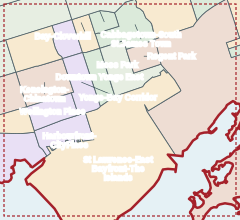
Use the map above for orientation around St. Lawrence, Front Street East, and central downtown Toronto. Give the assembler your exact building address and the entrance they should use. A condo’s lobby, garage and loading entrance may have different street access. Clarify where you will meet and who can admit the contractor.
- Parking and loading: Confirm the designated visitor or loading arrangements and any restrictions that affect the visit.
- Elevators: Ask management whether a booking is needed for moving cartons from another part of the building. Share the window with the assembler if relevant.
- Accessibility: Describe steps, narrow doors and thresholds that affect getting equipment or furniture to the room. Confirm any step-free route needed for the visit.
- Site contact: Choose one person who can answer access questions and confirm where the furniture belongs.
If a retailer is delivering on the same day, leave a practical gap before the assembler arrives. Have a plan for what you will do if the delivery runs late or arrives incomplete. Ask the assembler what notice they need to change the booking. A clear agreement can help when the assembly depends on a delivery window that is still moving.
Ask for comparable written quotes
Send a short list of the items and the work you need. For example, “One three-carton wardrobe and one desk at a condo near Front and Jarvis. All four cartons are in the unit. Please quote assembly, placement in the bedroom, manufacturer-required wardrobe anchoring if feasible, and cardboard removal. I can send photos of the labels and the wall location.” Replace those details with the actual models and scope of your job.
Ask whether the quote is fixed for the items listed or estimated based on time. Confirm the total, any travel or parking charges, and what happens if a carton is missing or the required wall work cannot proceed on the day. If someone quotes a lower amount, check whether their scope includes the same number of pieces and the same follow-up tasks. Clear scope is the only way to tell whether two prices cover the same job.
Review the final quote before confirming the appointment. Match the product identifiers and quantities, check any wall work, and make sure the treatment of packaging is stated. If you change the order after booking, send the updated model and carton count and ask for a revised total. This keeps the appointment tied to the items that are actually in your condo.
Before accepting a quote, agree on who will open a claim with the retailer if a part arrives damaged. Photograph the label and the damage, and ask whether the installer can finish the other items during the same appointment. For a multi-item order, having prices for each piece makes it easier to agree on what can go ahead and what needs a return visit.
Check the completed scope before the assembler leaves
Ask the assembler to walk you through anything they could not finish and why. A missing hinge, an incomplete carton, or an unresolved wall issue should have a clear next step. Ask what you should hold onto for a return visit and whether another appointment would carry a separate charge. If the work is complete, confirm where the instructions and any remaining hardware are stored.
A furniture assembly downtown Toronto request is easier to quote when the assembler can see which products you bought, where they will go, and what work you expect around the assembly itself. Keep the model details, photos, and agreed scope together. That gives both of you a reference from the first estimate through the finished job.